Soft Washing vs. Pressure Washing
Not every exterior can handle high-pressure water. Learn the difference between soft washing and pressure washing, which surfaces each method cleans best, and how to choose the right approach for your home.
High-Pressure Cleaning for Hard Surfaces
Pressure washing uses a concentrated stream of water at 1,500–4,000+ PSI to blast away dirt, grime, moss, and stains from tough, durable surfaces. It relies on mechanical force rather than chemicals, making it ideal for hardscapes that can withstand aggressive cleaning.
- Best for concrete, brick, stone, and pavers
- Removes oil stains, tire marks, and gum
- No cleaning solutions required for most jobs
Low-Pressure Cleaning for Delicate Exteriors
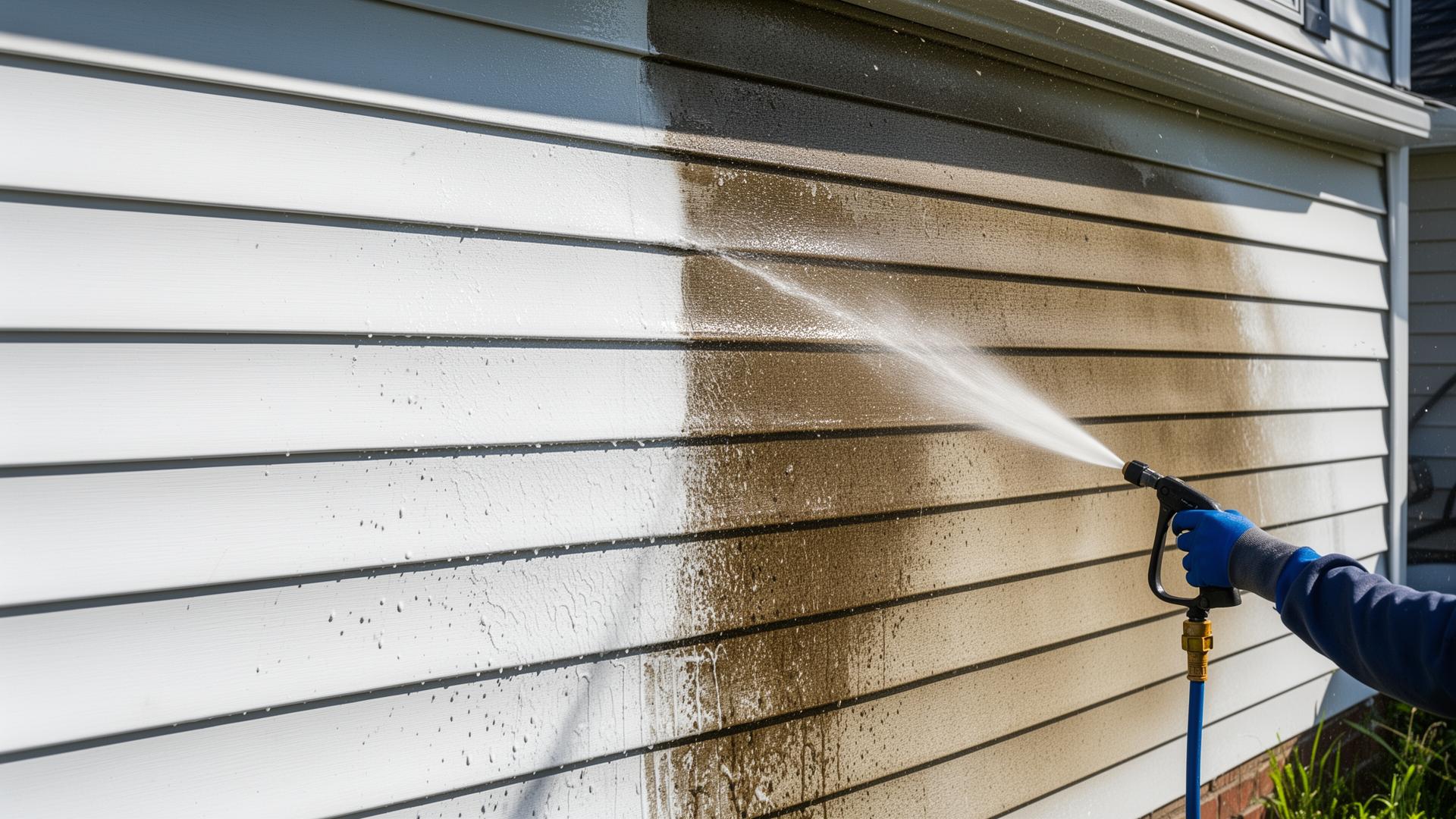
Soft washing uses low-pressure water — similar to a garden hose — combined with biodegradable cleaning solutions. The solution does the work by breaking down algae, mildew, mold, and bacteria at the molecular level, so the surface can be rinsed gently without damage.
- Safe for vinyl siding, painted wood, stucco, and roofs
- Kills organic growth at the root for longer-lasting results
- Prevents water intrusion behind siding and trim
| Feature | Pressure Washing | Soft Washing |
|---|---|---|
| Water pressure | 1,500–4,000+ PSI | Under 500 PSI |
| Cleaning action | Mechanical force | Chemical treatment + gentle rinse |
| Best surfaces | Concrete, brick, stone, pavers | Siding, roofs, windows, painted wood, stucco |
| Removes | Dirt, oil, gum, moss, loose paint | Algae, mildew, mold, bacteria, organic stains |
| Risk of damage | High on soft materials | Very low when done correctly |
| Result longevity | Short-term for organic growth | Longer-lasting because it kills the source |
Which Method for Which Surface?
Use Pressure Washing On
- Driveways & sidewalks — removes oil, rust, and tire marks
- Brick & stone patios — clears moss, dirt, and mildew between joints
- Pavers & pool decks — restores grip and removes slippery buildup
- Concrete walls — strips graffiti and heavy grime
Use Soft Washing On
- Vinyl & fiber cement siding — kills algae without denting panels
- Roofs & shingles — prevents granule loss and water intrusion
- Painted wood & trim — avoids stripping paint and etching wood
- Windows, screens, & awnings — gentle enough for glass and fabric
Why Soft Washing Is Safer for Your Home
High-pressure water can do more harm than good on delicate surfaces. A pressure washer set to 3,000 PSI can punch holes in vinyl siding, strip paint from wood trim, blast granules off asphalt shingles, and force water behind exterior walls — leading to mold and rot that you cannot see until it is expensive to fix.
Soft washing eliminates those risks. By letting the cleaning solution break down contaminants, the surface only needs a gentle rinse to look new again. This method is especially important for roofs, where manufacturer warranties can be voided by high-pressure cleaning.
Important: Never use high-pressure washing on asphalt shingles, painted wood, or aging stucco. The damage is often immediate and usually not covered by insurance.
How to Choose the Right Method
House Washing
Choose soft washing for siding, soffits, and trim. Use pressure washing only on foundation brick or concrete porches.
Driveways & Walkways
Pressure washing is the best choice for concrete and pavers. It removes the deep stains and slippery algae that soft washing cannot agitate away.
Roofs & Decks
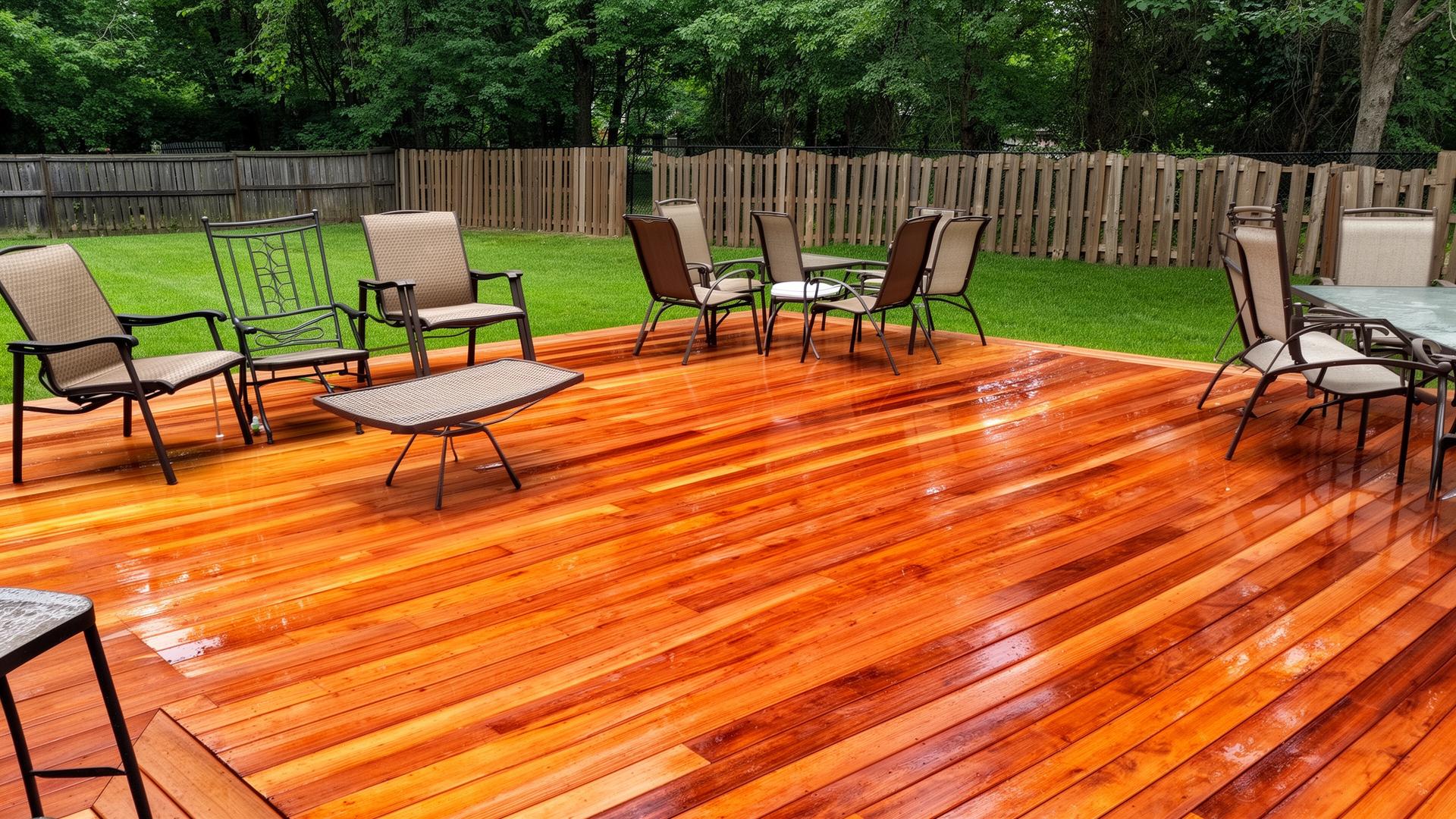
Roofs should always be soft washed. Wood decks can be soft washed or low-pressure washed depending on age and condition.
Not Sure What Your Home Needs?
Diamond Edge Exterior Care serves Lebanon, Osage Beach, St. Roberts, and the surrounding Lake of the Ozarks area. We'll inspect your surfaces and recommend the safest, most effective cleaning method — with a free, no-obligation estimate.